

The viral moments that broke the internet in 2025
In 2025, viral trends evolved from fleeting moments into cultural phenomena that redefined how we connect, consume, and create online. These are the social media moments that didn't just break the internet - they rebuilt it.
November 29, 2025
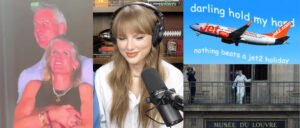
From collectible dolls sparking shopping frenzies to airline jingles becoming summer anthems, 2025 delivered internet moments that reshaped culture. These weren’t fleeting hashtags – they were phenomena that influenced brand strategy, community formation, and how we collectively process culture through humor and irony.
Social media trends in 2025 proved virality isn’t random. Every viral moment shares three elements: perfect timing, genuine authenticity, and effortless shareability. This year, the internet rewarded the unexpected, the participatory, and the gleefully absurd. Here are the viral trends 2025 that dominated feeds and signaled where digital culture is heading.
1. Jet2Holiday: When an airline jingle hijacked summer
A cheerful British travel ad became summer 2025’s inescapable soundtrack. What started as standard destination marketing transformed into the internet’s universal audio backdrop – but not how Jet2 intended.
The jingle initially sparked wanderlust and travel FOMO. Then users subverted it completely, layering the upbeat melody over flight cancellations, disastrous hotels, and vacation catastrophes. Eventually, it soundtracked everything from mundane Monday mornings to spectacular life failures. Even Jeff Goldblum joined the phenomenon with his own “Jeff2 Holidays” parody.
The numbers tell the story: Jet2 reported 15% revenue growth and 12% passenger increases. The sound accumulated 80 billion views across 11.8 million posts. The brand evolved from advertisement to algorithm fuel, from marketing message to cultural meme.
The lesson: Don’t control how audiences use your content. Let it evolve organically. When your brand becomes the setup for the joke, you’ve already won.
2. Labubu: The ugly-cute doll that became 2025’s status symbol
A toothy plush character with elf-like ears emerged as 2025’s most unexpected luxury accessory. Labubu – sold by Pop Mart in mystery “blind boxes” – exploded after BLACKPINK’s Lisa declared it her “secret obsession.” Within months, cultural tastemakers from Rihanna to Kim Kardashian to Dua Lipa were spotted with Labubu charms dangling from designer handbags.
The scale was staggering: Google searches spiked 350%. TikTok’s #Labubu reached 2.3 billion views. Twenty-eight-dollar drops sold out instantly, with resale prices climbing into the hundreds.
The blind box format transformed shopping into gambling. Unboxing videos became addictive content. Users dressed their dolls in miniature designer outfits for viral “Labubu fit checks.” The psychology reveals 2025’s consumer mindset: mystery boxes trigger the same neurological reward systems as slot machines.
For brands, the revelation is clear: You don’t need massive budgets. You need products engineered for participation and the confidence to let communities define your narrative.
3. Group 7: The algorithm experiment that became an identity
In October, musician Sophia James posted seven TikTok videos testing which format would achieve maximum reach. The seventh video exploded unexpectedly. Within 72 hours, “Group 7” transformed from experiment to identity movement.
The genius was in the ambiguity – most content never referenced James or explained the origin, creating mystery that fueled exponential growth. Celebrities from Naomi Osaka to Malala Yousafzai declared Group 7 membership. Brands from NFL franchises to the Empire State Building jumped on board.
The results: 75 million views, 800,000 videos, 100,000 new followers – zero advertising spend. James organized real-world meetups, converting algorithmic randomness into authentic community. Her song “So Unfair,” about music industry frustration, became the movement’s unofficial anthem.
The proof: Creative strategy demolishes budget every time. Brands that engaged within 24 hours rode the wave. Those who hesitated vanished into irrelevance.
4. The Louvre heist: When Gen Z romanticized an €88 million crime
On October 19, thieves executed a seven-minute robbery at the Louvre, stealing eight pieces of French Crown Jewels worth €88 million (approximately $102 million) in Napoleonic treasures. While art historians mourned cultural loss, Gen Z romanticized the audacity.
Social media flooded with “heist aesthetic” edits set to cinematic soundtracks. Wattpad scenarios reimagined the criminals as antiheroes. Users compared the theft to Lorde’s song “The Louvre” – which, they joked, was also robbed of deserved Grammy recognition.
The dominant tone was admiration, not condemnation. George Clooney made Ocean’s 14 jokes. Böcker created viral ads highlighting their lift’s impressive speed. Fake mugshots claiming the suspects were Gossip Girl actors garnered 73,000 reactions. By Halloween, people were dressing as the thieves.
The cultural insight: Gen Z processes serious events through layers of irony, transforming tragedy into shareable content. Even €88 million in stolen artifacts gets the meme treatment.
5. Taylor Swift’s showgirl era: When orange glitter took over
When Swift teased her album in mid-August, orange glitter dominated social feeds overnight. Brands scrambled to participate, finding creative integrations for the aesthetic into their visual identities. Then came late August’s engagement announcement to Travis Kelce, triggering another internet frenzy and proving Swifties’ unmatched ability to transform personal moments into global celebrations.
The Swiftie community doesn’t just consume trends – they architect movements. Their collective intelligence manifests through decoded Easter eggs, friendship bracelet economies, and coordinated fundraising campaigns that support fellow fans.
The strategic takeaway: Cultural moments create opportunities for authentic brand alignment. Build activating narrative frameworks, not rigid campaigns. Brands that naturally fit gain reach and credibility. Those forcing relevance expose inauthenticity. Success demands knowing when your brand voice genuinely contributes to the conversation.
6. “God forbid, she has hobbies”: Sarcastic self-empowerment goes mainstream
Sarcastic self-defense became 2025’s defining communication style. Someone reads a book, sets a boundary, or chooses rest. The caption? “God forbid I enjoy sleeping in” – typically set to “Easy Like Sunday Morning” for peak ironic effect.
What started as TikTok humor evolved into a movement challenging outdated expectations within female communities. The strength lies in collective resistance – a shared, nonchalant shrug against societal pressures.
Gen Z abandoned cringe culture entirely. Irony became simultaneously protection and authentic expression. Memes function as coping mechanisms. TikTok operates as digital safe space. Welcome to post-cringe authenticity, where sarcasm transforms into genuine self-empowerment.
7. Justin Bieber’s “standing on business”: When overwhelm became meme gold
Genuine distress of pop-icon Justin Bieber became TikTok’s most remixable audio. In June, Bieber – surrounded by paparazzi and visibly overwhelmed – declared “I’m standing on business.” The clip immediately became a universal CapCut template.
Days later, creators mashed it with Love Island’s “I’m a mom, mamacita” sound, colliding serious and absurd into perfect comedy. The phrase spawned Gen Z vernacular: “It’s not clocking to you that I’m standing on business.”
Did Justin Bieber suffer from the defamation? Not really. Despite the controversy of this type of exposure, he leveraged the power of social media to successfully release two new albums, “Swag” and “Swag II,” turning attention into promotional momentum.
The dynamic: Social media processes celebrity crisis through overproduction, not empathy. The meme spread faster than context. A breakdown became entertainment – though Bieber himself eventually engaged with a knowing smirk, signaling awareness of the internet’s appropriation.
The mechanism: The internet reclaims narratives through ironic remixing, transforming vulnerability into participatory humor.
8. The Coldplay Kiss Cam affair: When internet detectives solved scandal in hours
Coldplay’s Kiss Cam landed on a visibly uncomfortable couple at a concert. Chris Martin joked about catching an affair. Within hours, TikTok detectives identified them as a tech CEO and HR chief from the same company. Both resigned shortly after.
Users dissected footage, built theories, and participated in real-time investigation. The speed and coordination demonstrated something crucial: online communities aren’t merely reactive – they’re organized, emotionally invested, and devastatingly effective at shaping narratives.
And to top it all off? Astronomer, the company whose CEO was exposed, owned the narrative by hiring none other than Chris Martin’s ex-partner, Gwyneth Paltrow, to address the scandal publicly on their YouTube channel.
The warning: The same energy that exposed an alleged affair can construct or obliterate brand narratives overnight. Never underestimate your audience’s cultural power or investigative capacity.
9. “The summer I turned pretty”: When a show title became everyone’s story
Amazon’s coming-of-age series transcended entertainment to become participatory format. The title “The Summer I Turned Pretty” transformed into universal meme framework: “The Summer I…”
The formula was perfect – open-ended, adaptable, instantly recognizable. Communities seized it to capture their realities, from romantic confessions to corporate commentary to absurdist humor.
This summer truly was THE summer of the show.
The principle: Relevance emerges from creating frameworks others can inhabit, not content to passively consume. The best viral marketing provides tools for self-expression rather than messages to absorb. The title became a canvas for collective storytelling.
10. AI’s entertainment potential: When technological “perfection” became comedy
AI-generated content shifted from technological achievement to comedic goldmine. What was designed to showcase innovation went viral for spectacularly missing the mark.
Users combined nonsensical AI images with absurdist narratives. The more bizarre the output, the better the engagement. Perfection doesn’t drive virality – unexpected punchlines and uncanny valley moments do.
The relationship: Gen Z approaches emerging technology with irony, not reverence. TikTok transforms AI into cultural commentary. Their engagement is simultaneously playful, critical, and acutely aware. They recognize potential while highlighting limitations through humor.
The reality: Entertainment drives reach. Discourse happens on social platforms, through memes, wrapped in comedy – not in corporate press releases.
These viral trends 2025 confirm that internet culture rewards authenticity over polish. From collectible dolls to museum heists, from airline jingles to algorithm experiments, this year proved virality isn’t about what happens – it’s how communities retell it.
The most successful viral marketing creates space for participation, embraces chaos, and empowers audiences to shape the narrative. Control is an illusion, when it comes to socials. Co-creation is the strategy. The brands that understood this didn’t just trend this year – they became part of cultural memory of 2025.
Latest News ☕
Social commerce 2025 year in review: TikTok Shop growth & marketing trends
December 17, 2025
Social commerce isn't just growing – it's where creators and brands now thrive. Our year...
How A24 turned film marketing into a cultural movement
December 16, 2025
The independent film studio A24 has mastered the art of turning modest budgets into cultur...
Snapchat: The platform resurgence as AR and AI bets shape 2026
December 14, 2025
Snapchat reached 469 million daily users in 2025 with major growth. Discover the platform'...